Thermal Gravimetric Analysis
A Brief Overview of Thermal Gravimetric Analysis
Thermal gravimetric analysis aka thermogravimetric analysis (TGA) studies how the mass of a sample changes as its temperature is raised. These changes correspond to a variety of different chemical processes and can provide useful information about everything from sample composition to ideal processing conditions. Though the idea of combining balances and thermal treatments is documented all the way back to the Roman Republic [1] the first modern iterations of commercial TGA instruments arguably come from what is now METTLER TOLEDO in the mid 1960s [2]. In modern instruments the combination of ultra-microbalances, furnace designs, and atmospheric controls have turned TGA into a versatile platform for materials analysis that is often further coupled with analytical techniques including Mass-Spectrometry, Fourier Transform Infrared Spectroscopy, and Gas Chromatography. Further advances in automation and sample preparation make TGA an excellent tool for highthroughput sample analysis.
About Our Instrument
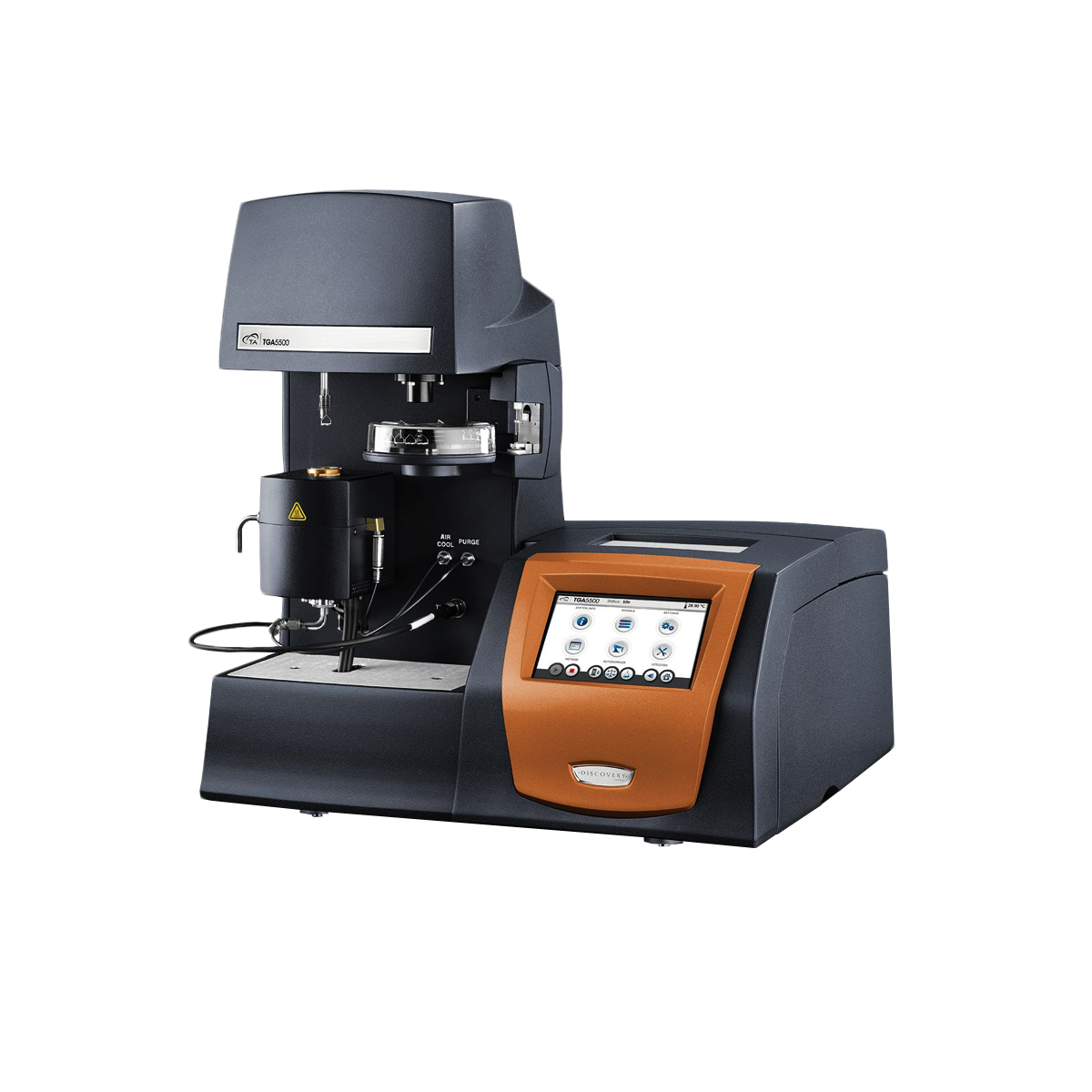
The TA Instruments Discovery TGA 5500
TGA is a special focus for the Lessard Group. Our instrument is top of the line and is equipped with a dual-range microbalance and IR furnace capable of reaching temperatures up to 1200 °C in ambient, inert, and vacuum conditions. We regularly measure as little as a milligram of sample. In our lab we use TGA to optimize materials for vapour deposition in thin films by identifying optimal sublimation conditions. ~ Comments on other use cases (density) and on collaboration studies. Potentially also an intro to our modifications and to Trevor’s work ~
High Vacuum Analysis
Detailed commentary on our system. Replace image with image of unit or of logo
System Specs
(To be updated with feedback from Trevor)
Temperature Range: Ambient to 1200 °C
Temperature Accuracy: ±1 °C
Temperature Precision: ±0.1
Heating Rate: 0.01 - 500 °C/min
Cooling Rate: 1200 to 35 °C in <10 min
Sample Weight Capacity: 1000 mg
Weighing Precision: ±0.01%
Lower Range Resolution: 8 ng
Running Samples with the LRG
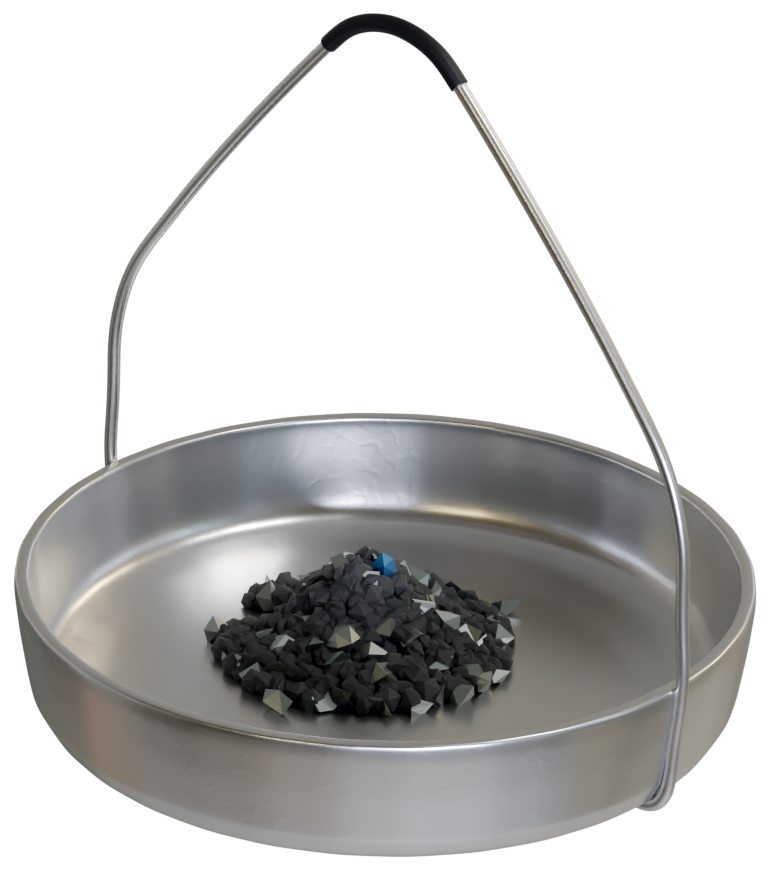
Samples should be provided in vials. While we can reliably run as little as 1 mg of material we recommend closer to 5 mg for best results. Before running any sample we will discuss details related to the temperature range, rate of increase, thermal cycles, and the possibility of any by-products or reactions that may occur during the analysis. The LRG primarily uses standard platinum pans suitable for temperatures up to 1000 °C. For high temperature experiments up to 1200 °C we switch to ceramic pans.
If your samples require inert storage in ambient conditions ask us about the possibility of using TA’s Copper, Aluminum, and Al Smart-Seal pans.
TGA on Display
-
![]()
At the Nanoscale
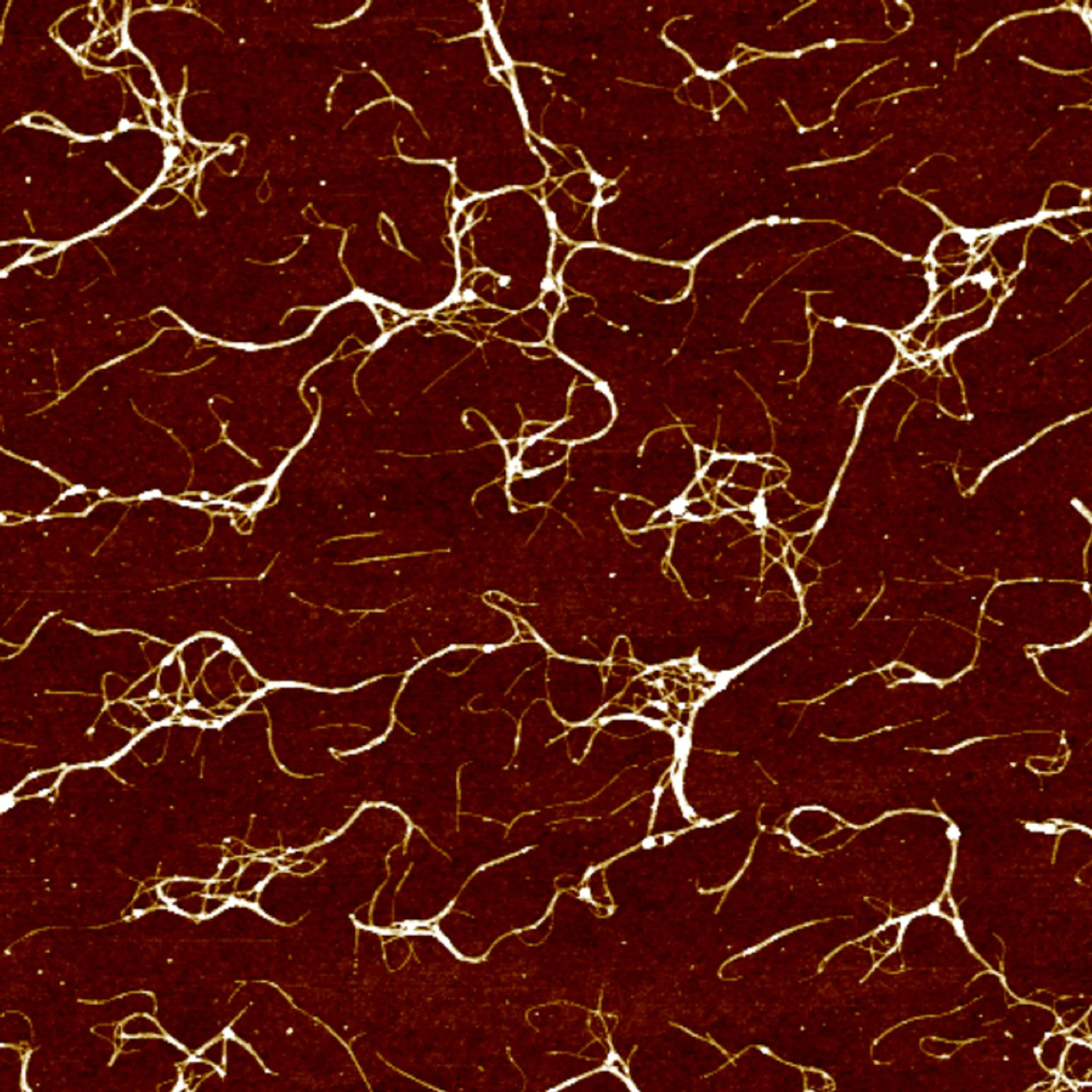
Bundles of nanotubes
-
![]()
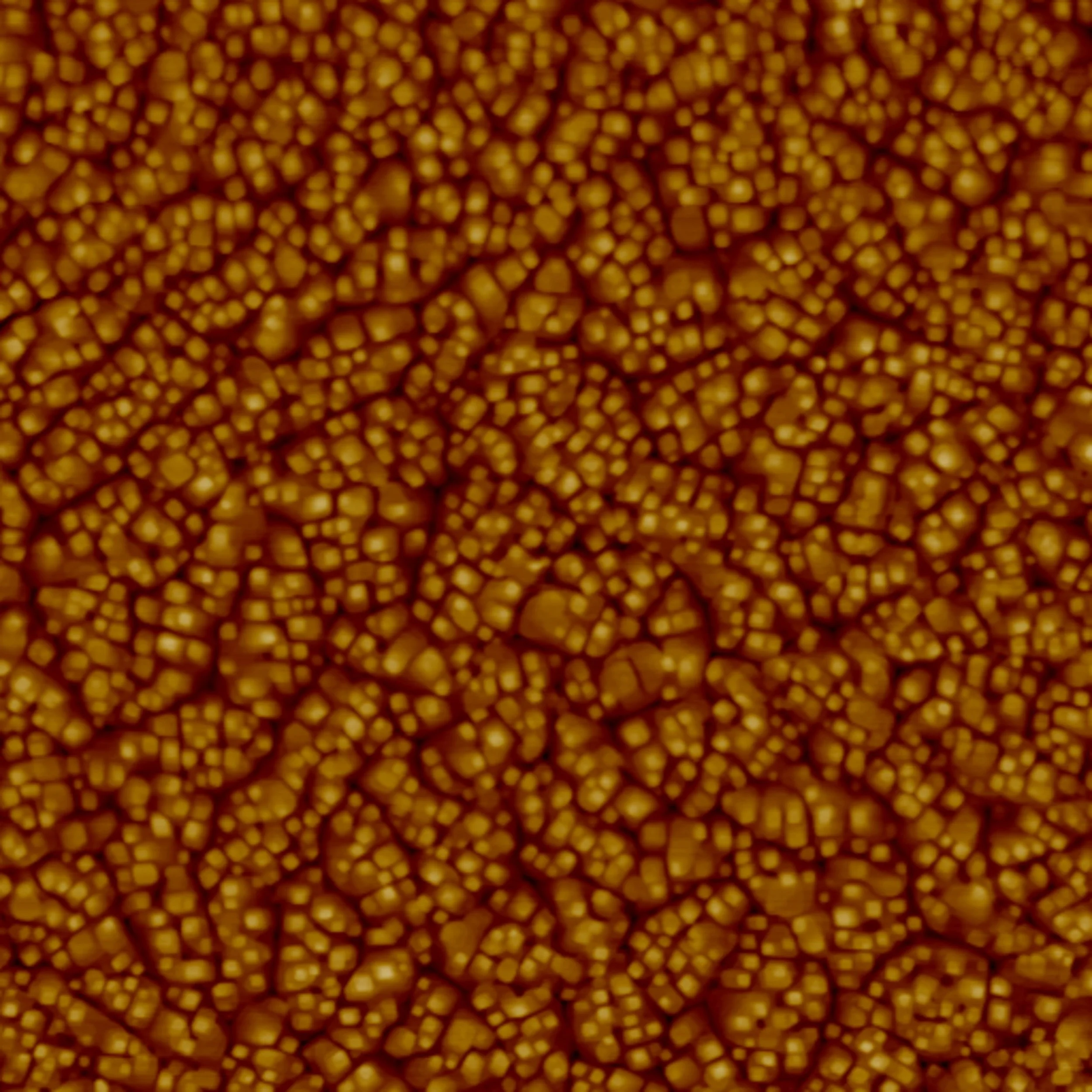
It's a Title
More example text briefly discussing the work and also linking to a paper
-
![]()
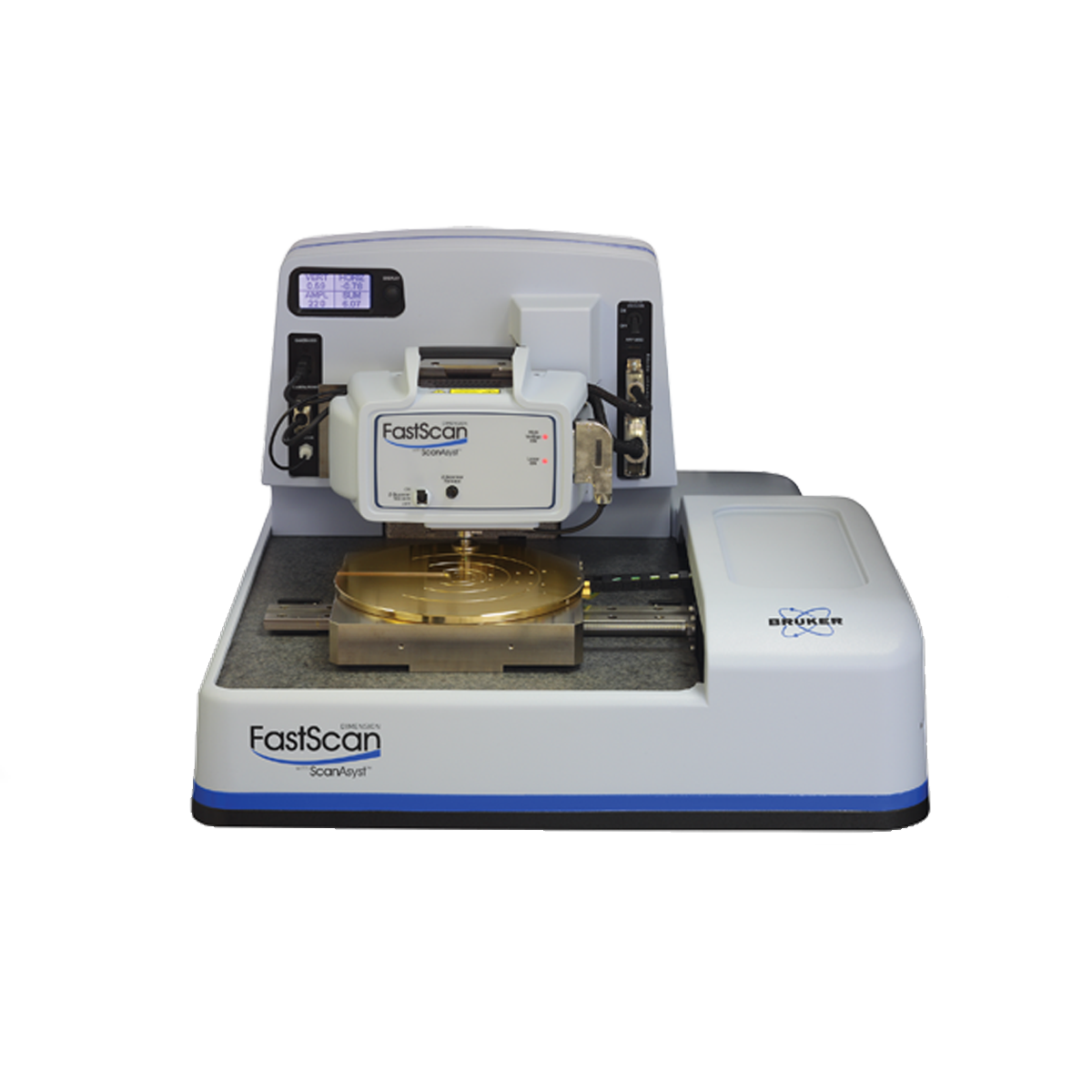
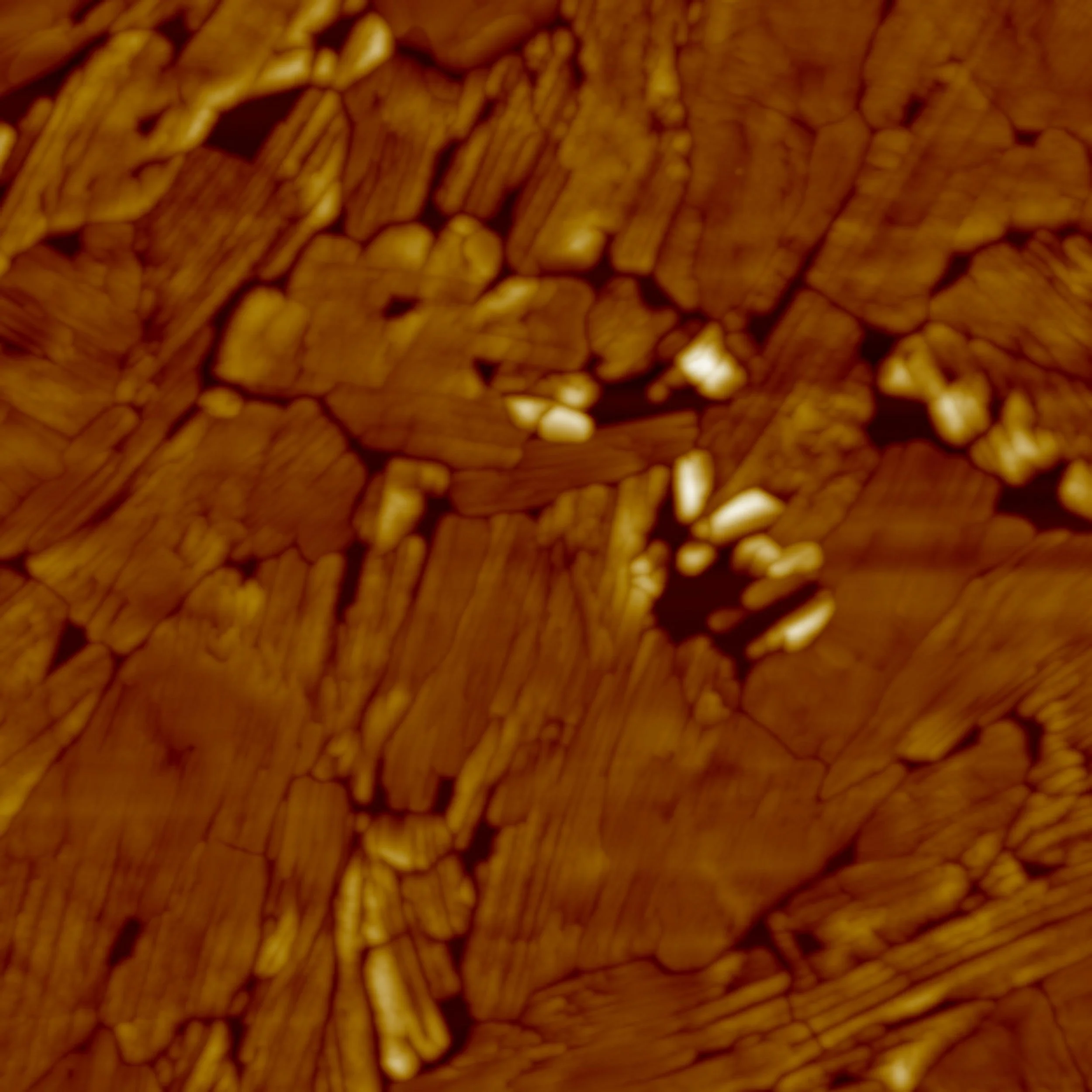
Siloxane SiPc
Annealing makes all the difference. Our AFM captures nanoscale assembly changes in these siloxane SiPcs. Read more in ~linked article~
References
List of references