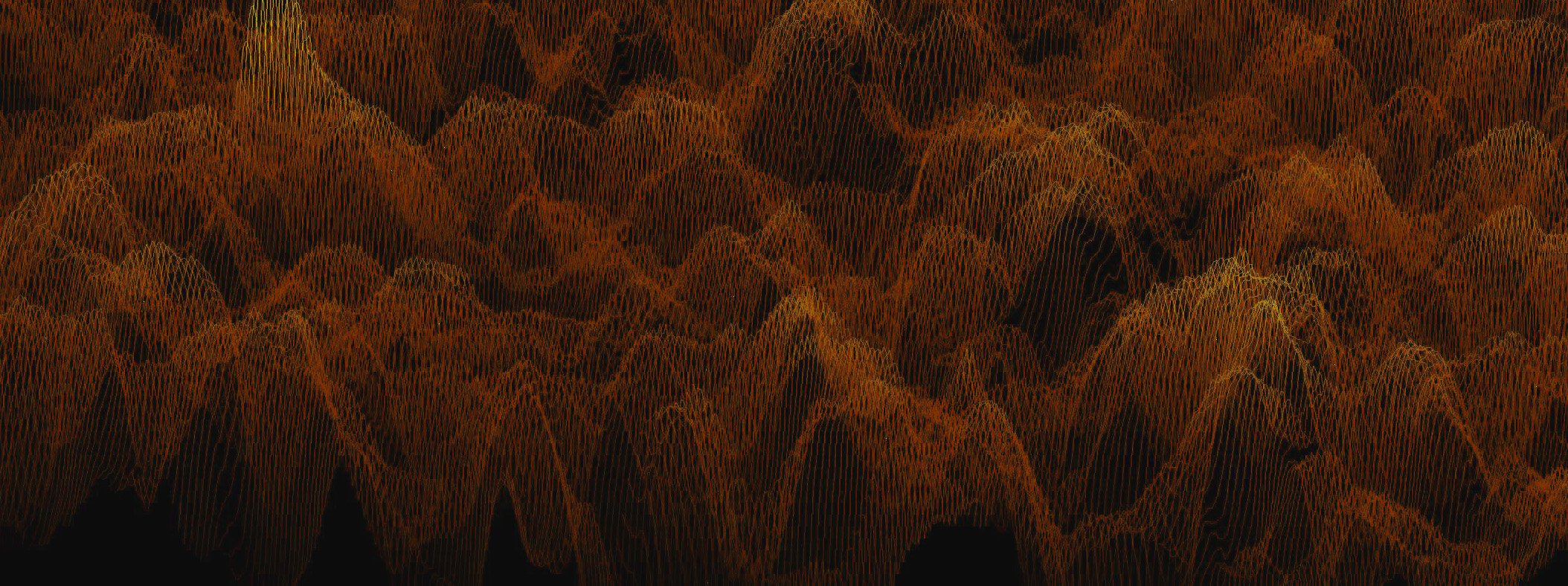
Atomic Force Microscopy
A Brief Overview of Atomic Force Microscopy
Atomic force microscopy (AFM) is a scanning probe microscopy technique that uses a sharp tip to image a sample. Inspired by developments in stylus profilometry the first AFM was developed in the 1980s by Gerd Binnig, Calvin Quate, and Christoph Gerber. This type of microscopy was (and remains) revolutionary as it now enables atomic resolution without the expensive high-vacuum systems and complicated optics required by high-resolution electron and optical microscopes. AFM can image almost any type of sample, enables collection of three dimensional datasets and can be modified to simultaneously collect electrical, magnetic, mechanical, chemical, and topographic data. AFM has been used for everything from identifying individual atoms in semiconductor films to imaging individual macromolecules in biological cells to building and manipulating nanostructures. In thin film research AFM is often combined with electrical and spectroscopic measurements to study and improve a wide range of materials and devices. For more information about the incredible versatility and scope of this technique we recommend the textbook Atomic Force Microscopy by Peter Eaton and Paul West and the extensive webinar series and application notes available from the manufacturer of our instrument - Bruker.
About Our Instrument
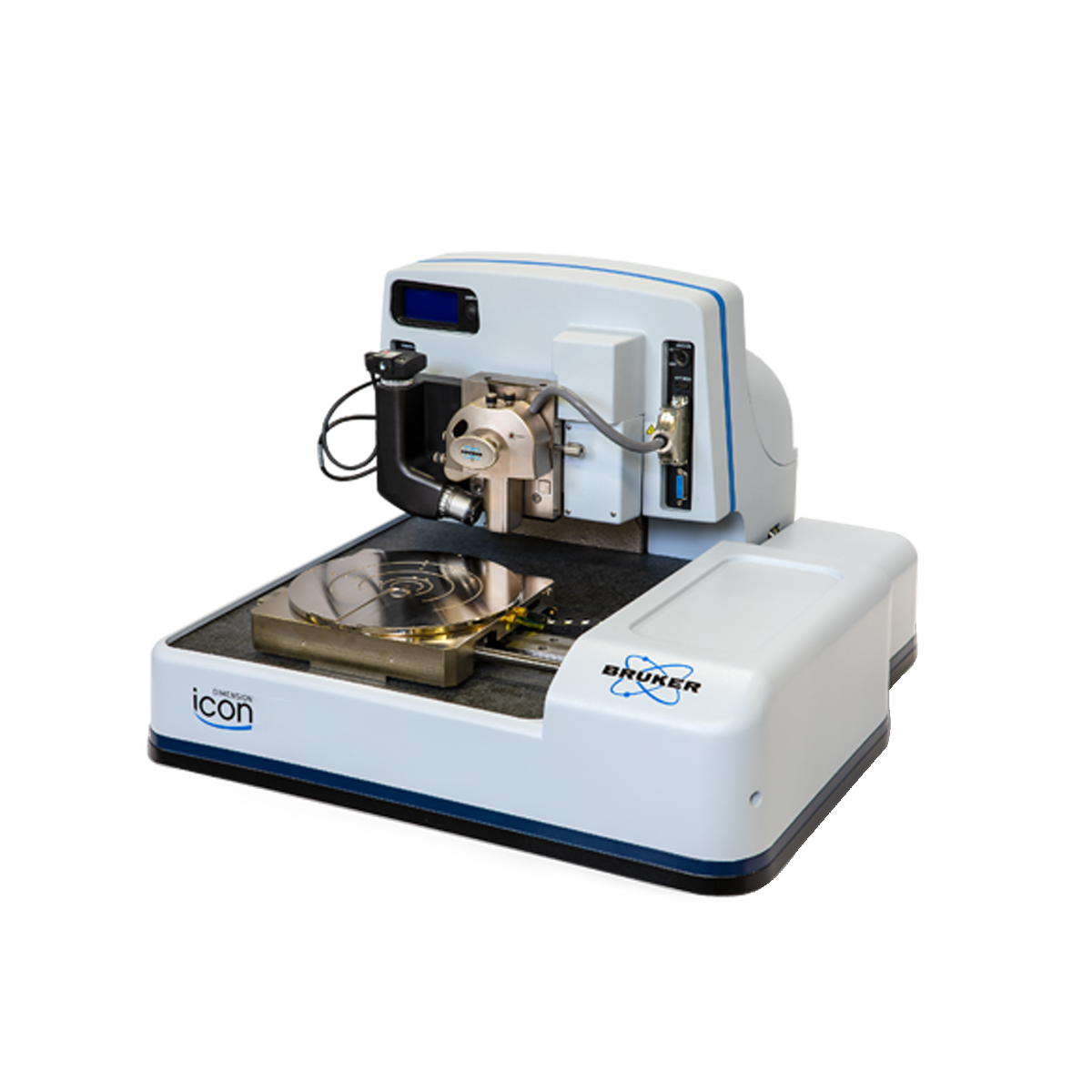
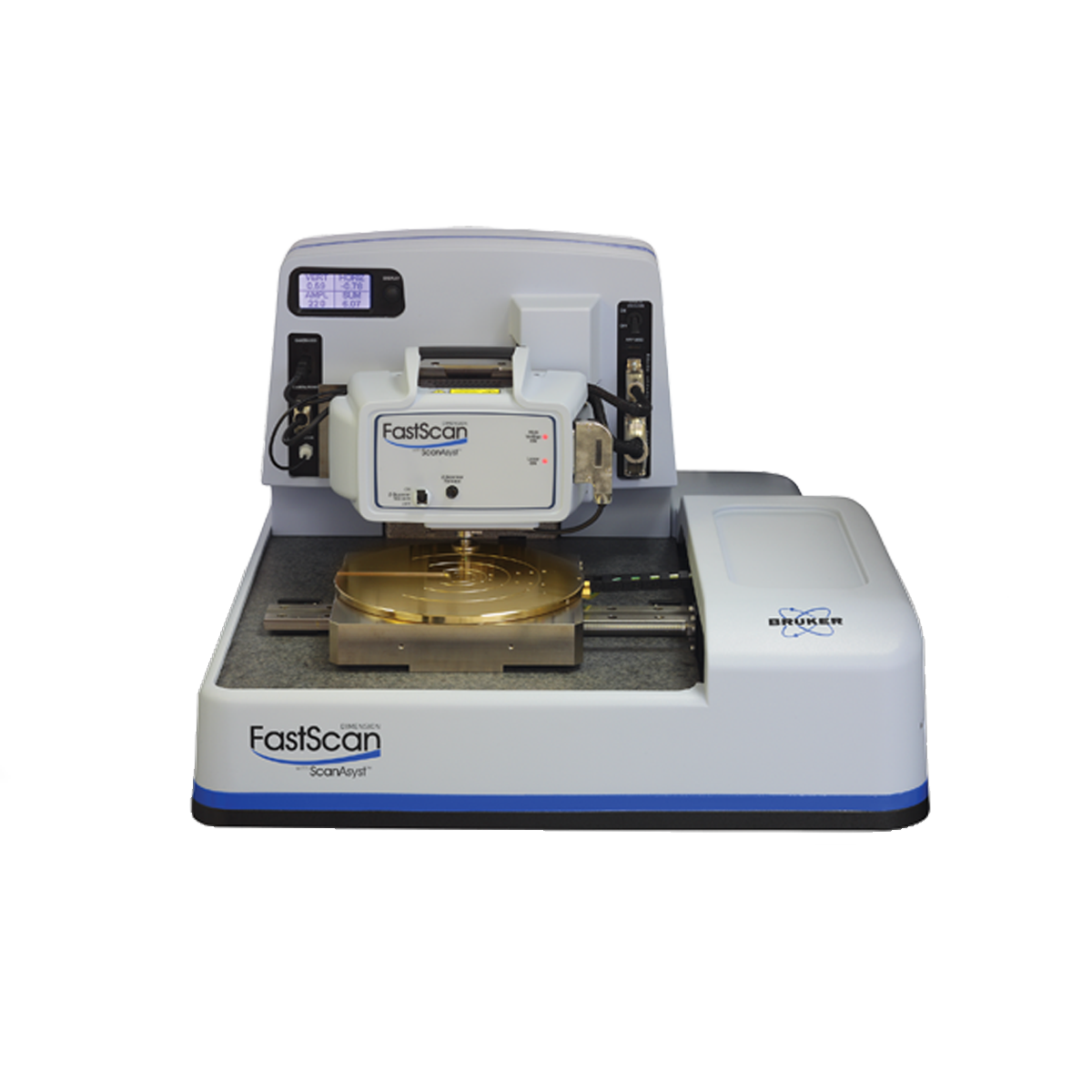
The Bruker Dimension Icon/FastScan with thermal stage capabilities
Atomic Force Microscopy features prominently in the LRG’s research. We use AFM to study thin film characteristics including thickness, nanoscale morphology, temperature responsiveness, quantitative mechanical properties, and more. As one of our primary workhorses this tool receives dedicated support from Dr. Joseph Manion who has over 10 years of experience with the Icon.
Speed & Specialization
Our AFM system comes with both an Icon and FastScan scanhead. Combined with a wide selection of probes our instrument is capable of achieving vertical resolution on the order of nanometers and can resolve surface features as small as a few nanometers. FastScan images can be collected in under a minute allowing multiple samples to be evaluated in a short time. The Icon allows for several specialized experiments including quantitative nanomechanical (QNM) imaging while changing sample temperature over two ranges going from -30 to 100 °C and room temperature to over 200 °C. These experiments can also be performed under inert conditions using gas-flow cells.
System Specs
Vertical Resolution: ~ 1 nm
Features Resolution: ~ 2 nm (depending on probe and scan size)
Scan Area:
Icon: Up to 80 x 80 µm
FastScan: Up to 30 x 30 µm
Typical Runtime per Sample:
Icon: 10 minutes per scan (standard imaging)
FastScan: 5 minutes per scan (standard imaging)
Running Samples with the LRG
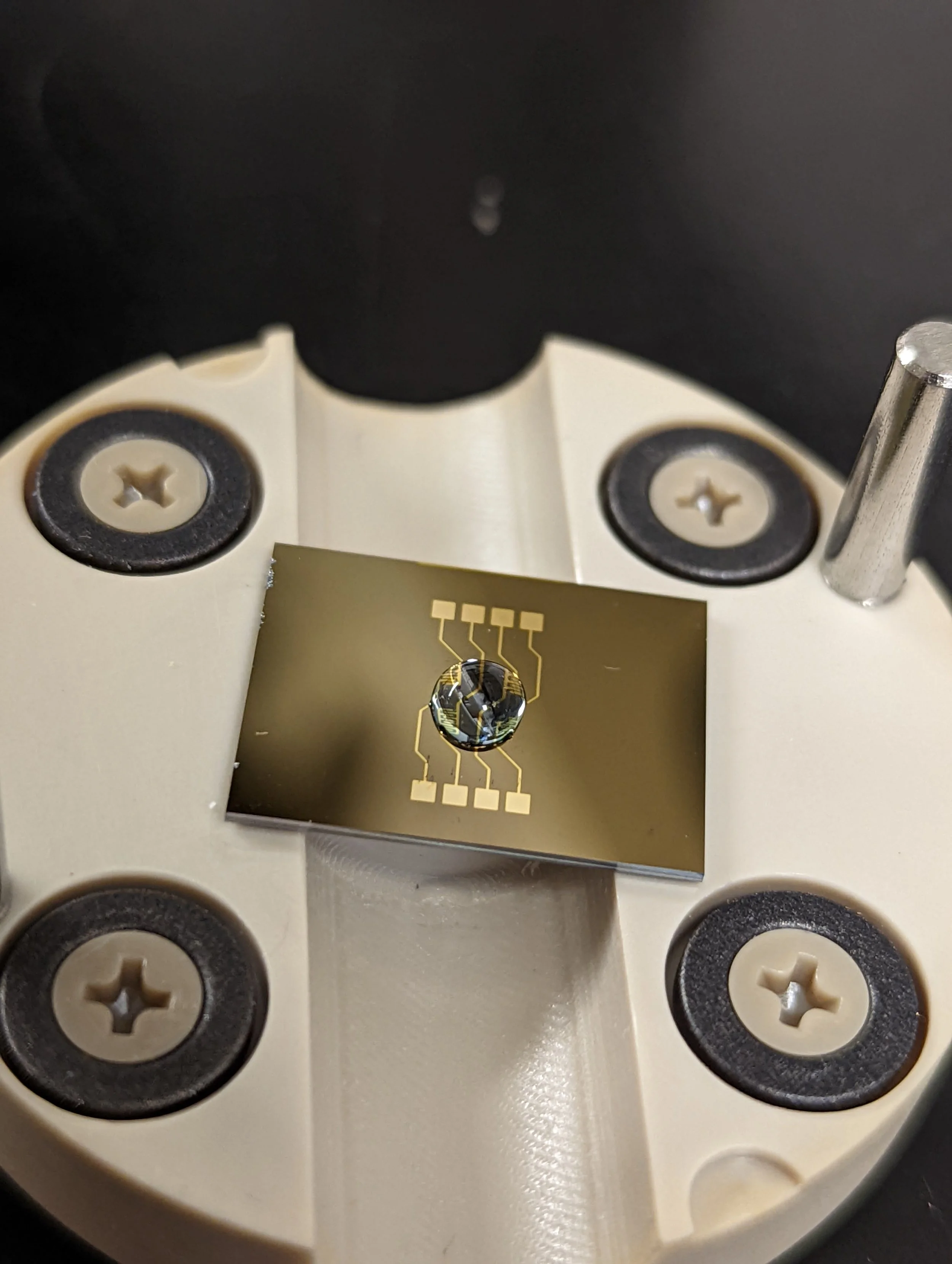
Samples should be provided on a flat substrate (typically a silicon wafer or glass slide). Samples that require special mounting may take longer to prepare and are usually affixed to small metal disks using adhesives which are then magnetically mounted on the microscope stage.
We typically require confirmation that a sample is well below the vertical limit of the scanhead being used before we start imaging (4 µm for the FastScan and 12 µm for the Icon). For features larger than 2 microns in height we recommend using our 2D stylus profilometer or optical microscope.
Some experiments may require a specific scanhead and may require changing the instrument configuration. We also have a wide range of probes that can be selected based on the experimental requirements. If you have any insight into your sample modulus or any restrictions related to subsequent analysis or sample integrity please contact us to discuss our options for low-spring constant probes, fine-tip resolution probes, and non-destructive imaging options.
AFM in Action
-
![]()
At the Nanoscale
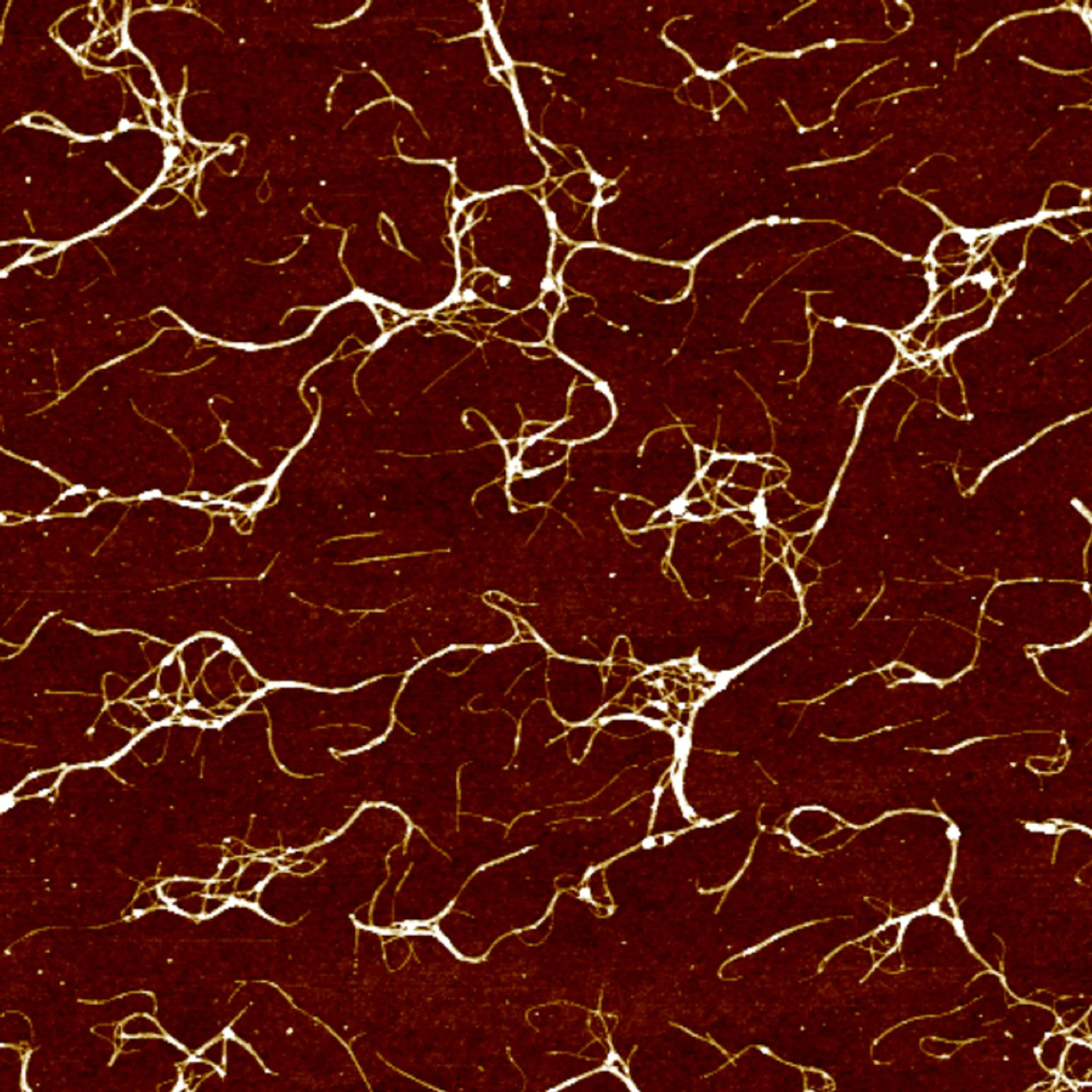
Bundles of nanotubes
-
![]()
It's a Title
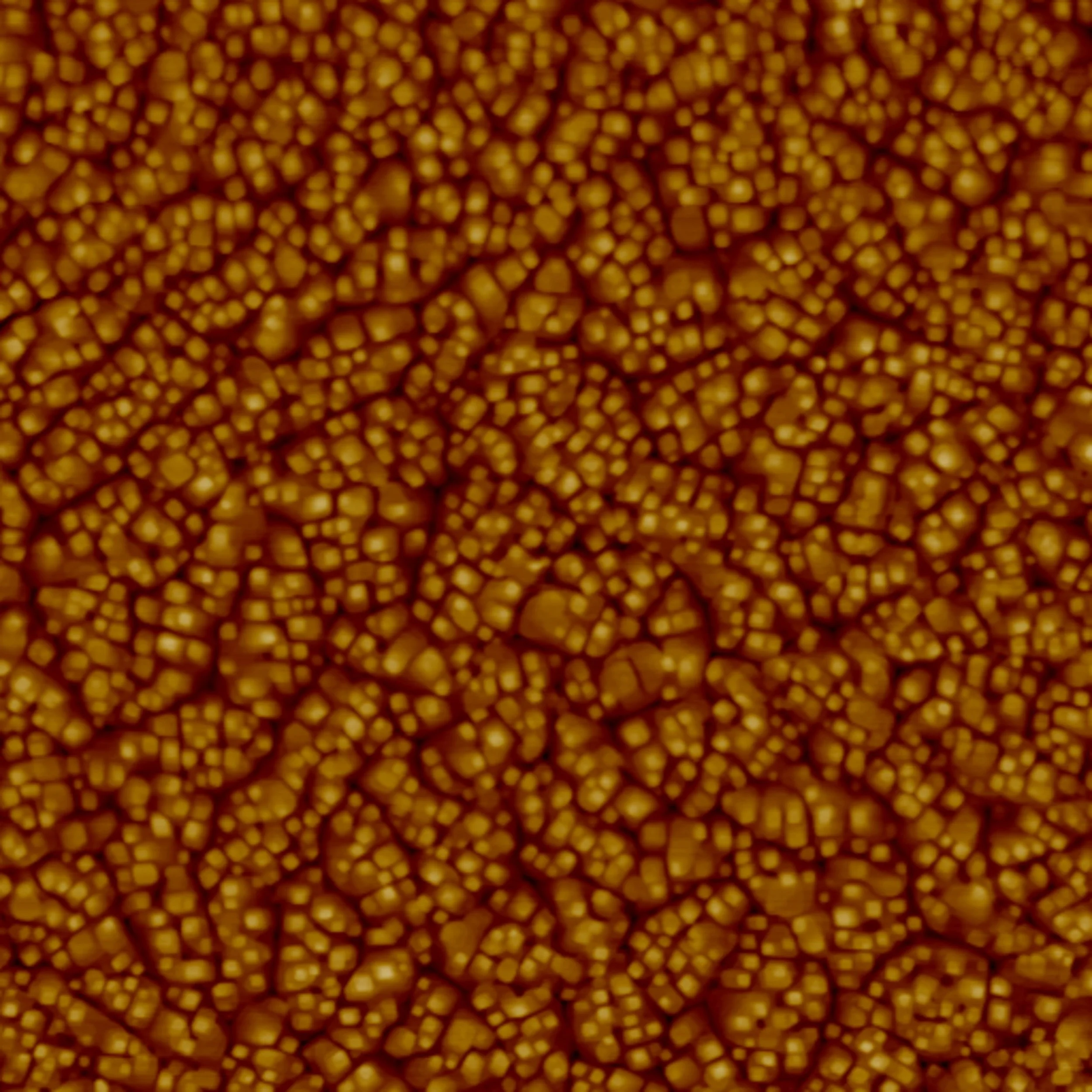
More example text briefly discussing the work and also linking to a paper
-
![]()
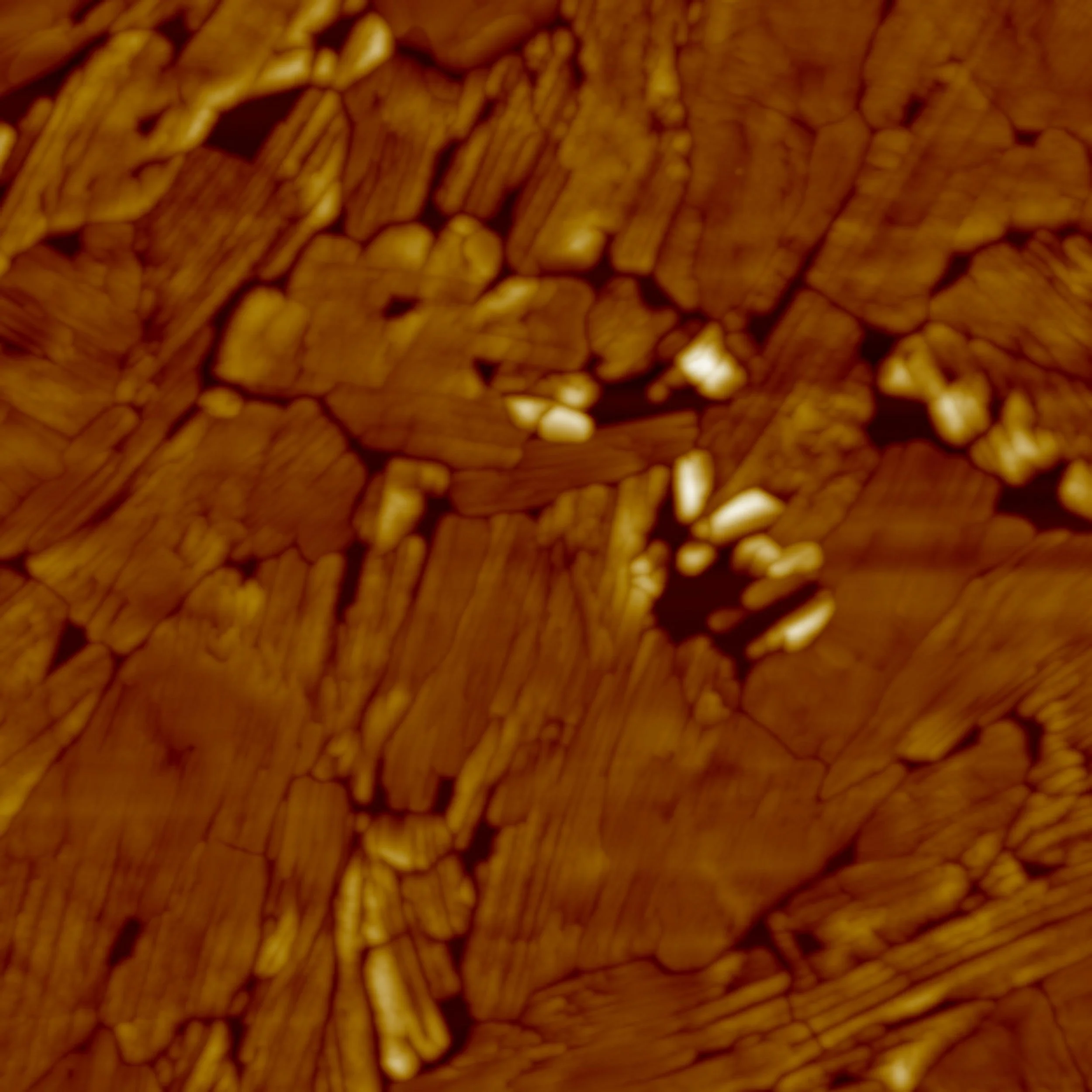
Siloxane SiPc
Annealing makes all the difference. Our AFM captures nanoscale assembly changes in these siloxane SiPcs. Read more in ~linked article~
References
List of references